1909 — 1989
A pioneering Indian physicist, science administrator, and visionary who played a pivotal role in shaping India's scientific landscape during the formative years of the nation.
Cambridge Ph.D.
Doctorate under Sir C.V. Raman, Nobel Laureate
Architect of Defence Research
First Indian Director General of Defence R&D (DRDO)
Seminal Author
Authored 'The Theory of Groups and its Physical Applications'
Shanti Swarup Bhatnagar Prize
Awarded the prestigious Shanti Swarup Bhatnagar Prize in Physical Sciences
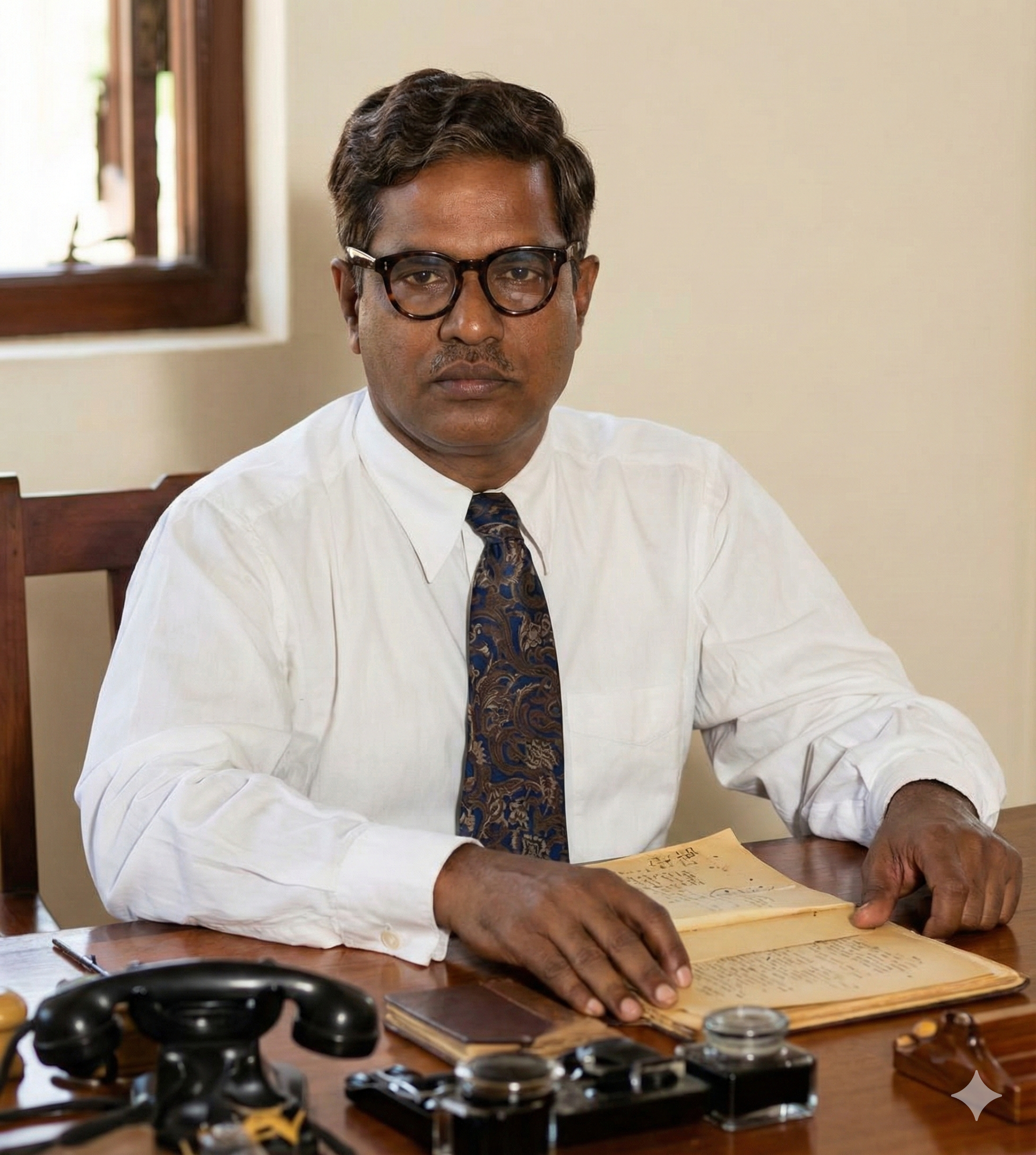
His doctoral research extended the understanding of light scattering in crystalline solids. He experimentally verified the spin angular momentum of photons using rotational Raman scattering, a significant breakthrough.
Pioneered contributions to X-ray crystallography and crystal symmetry. His book, "The Theory of Groups and its Physical Applications," was translated into Russian and remains a foundational text.
Hailed as the "Architect of Defence Research," he laid the foundation for India's self-reliance. As DG of DRDO, he established 15 new labs and championed indigenous technology programs.
A visionary administrator who led major institutions like Osmania University, IISc Bangalore, and DRDO. He later founded the National Institute of Advanced Studies (NIAS).
Born on October 14, 1909, in Agiripalli village, Andhra Pradesh, India.
Completed B.Sc. in Physics from Nizam College, Hyderabad, under Madras University.
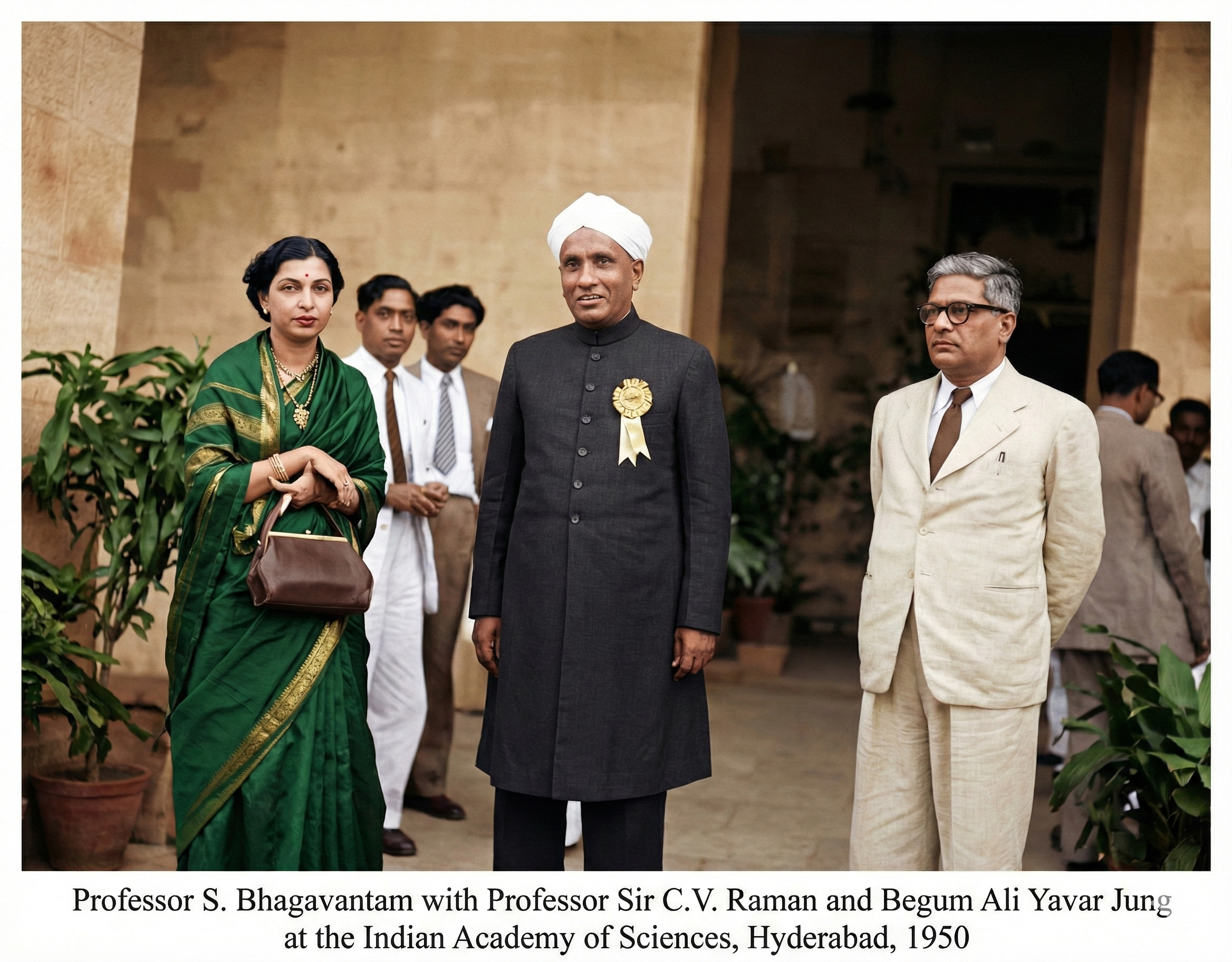
Joined Dr. C.V. Raman as a research scholar in Calcutta. Earned M.Sc. from Madras University. Served as a key collaborator in the Nobel Prize-winning work on light scattering.
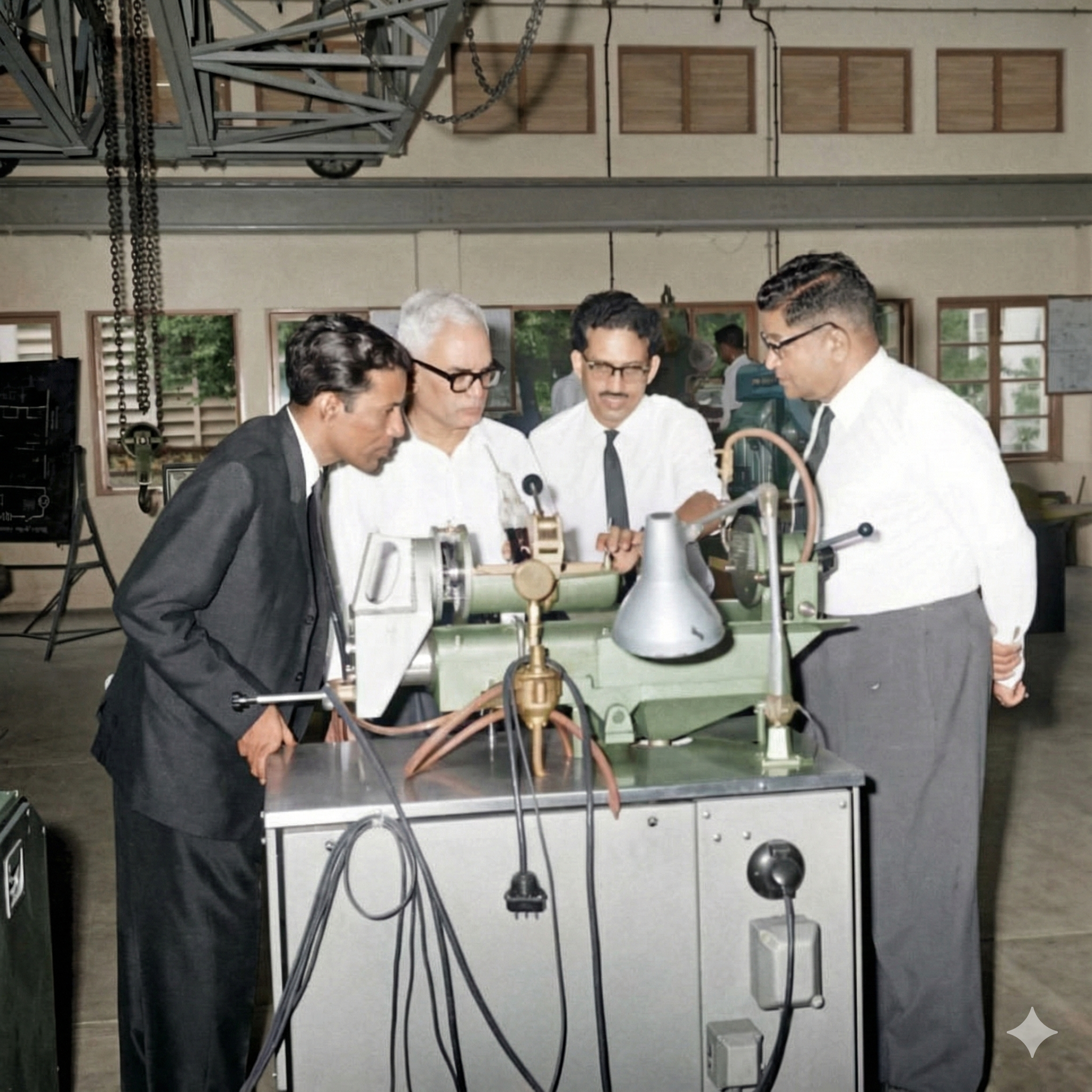
Conducted significant joint research with C.V. Raman, experimentally verifying the spin angular momentum of photons using rotational Raman scattering.
Joined Andhra University, Waltair, as a lecturer in Physics.
Elevated to Professor and Head of the Physics Department at Andhra University.
Appointed Principal of University College at Andhra University.
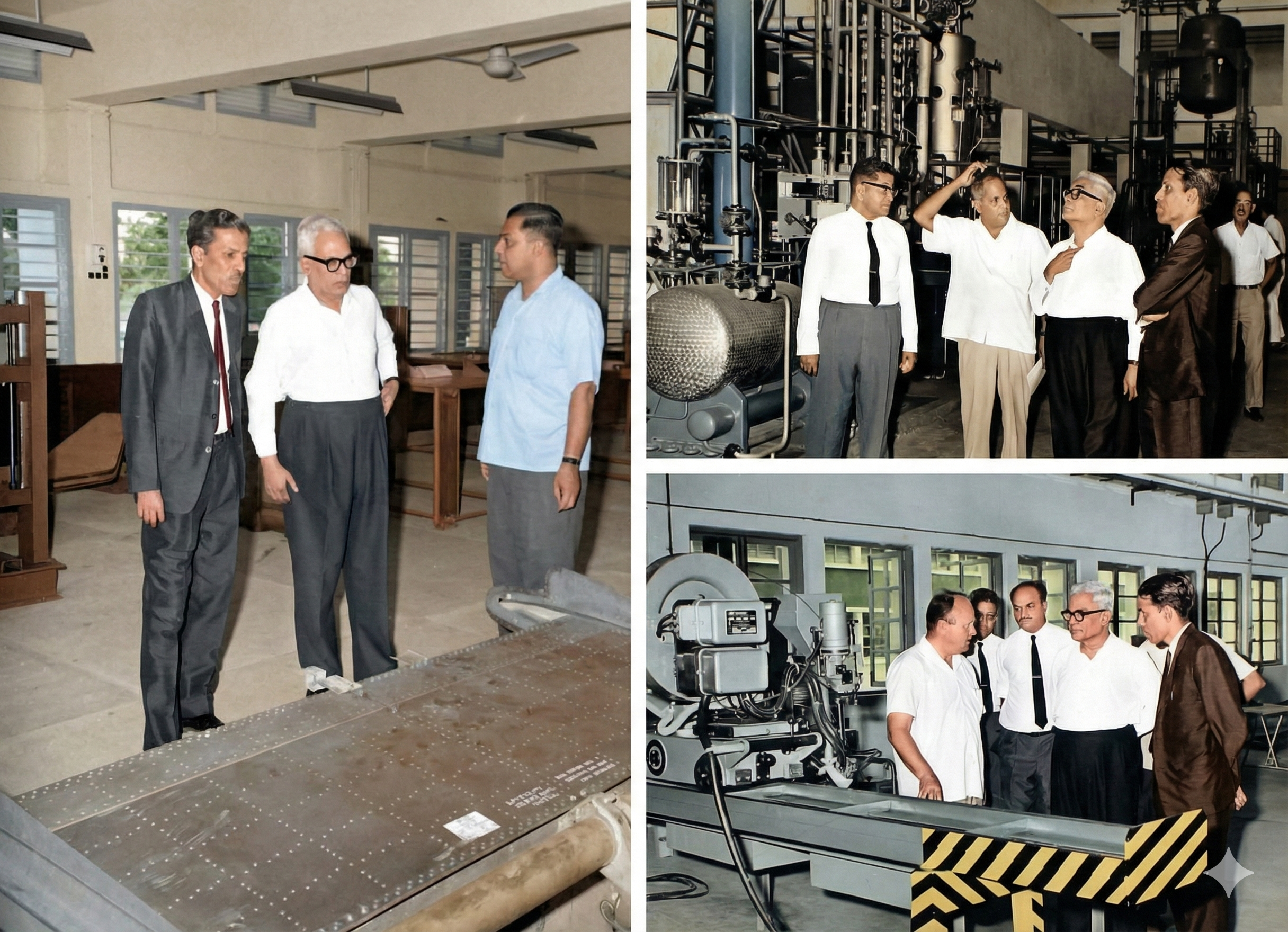
Served as Vice President of the prestigious Indian Academy of Sciences during various periods.
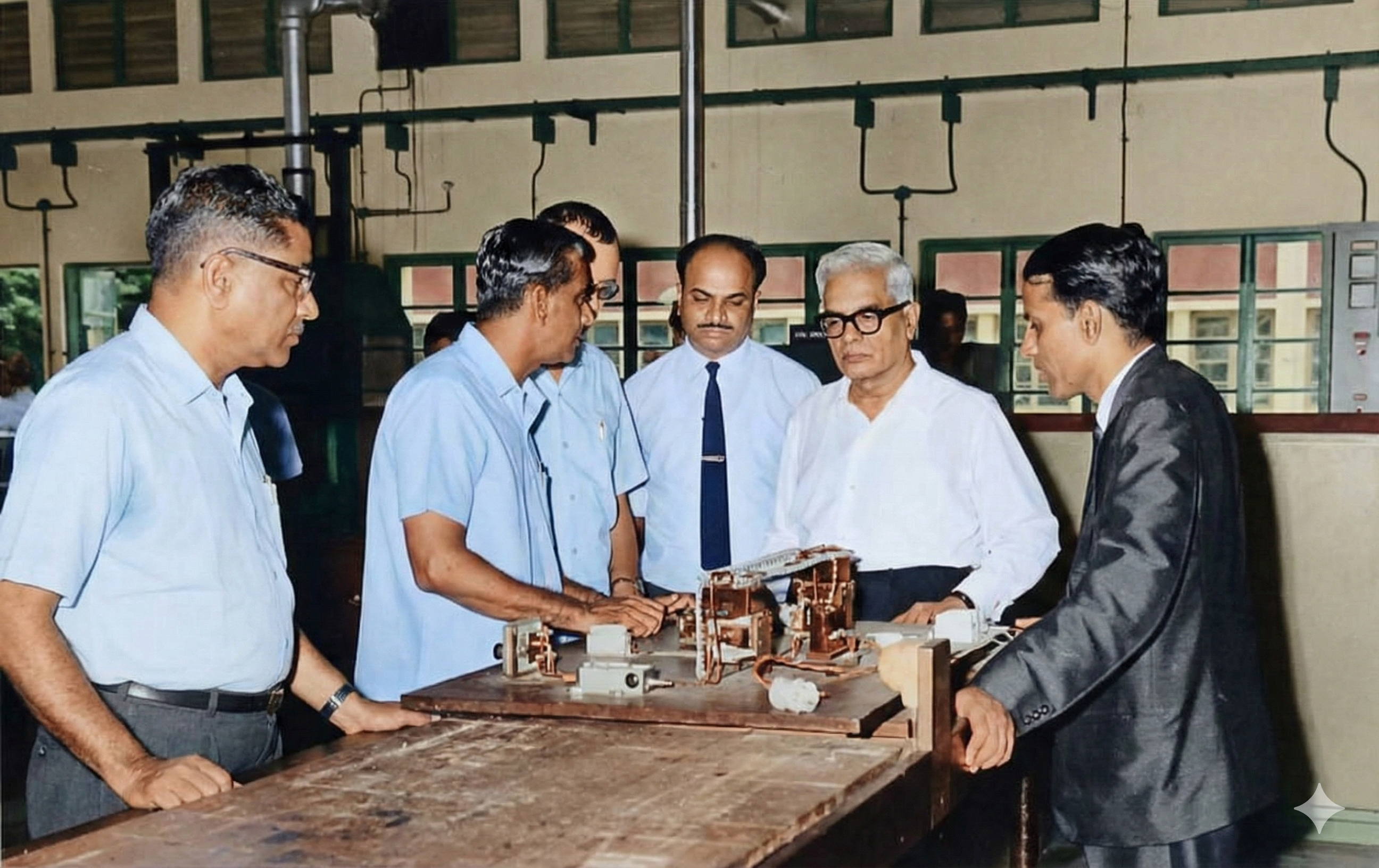
Served as Scientific Adviser to the Indian High Commission in London. Published the seminal work 'The Theory of Groups and its Physical Applications', still considered a foundational text.
Returned to India to join Osmania University as Head of the Physics Department.
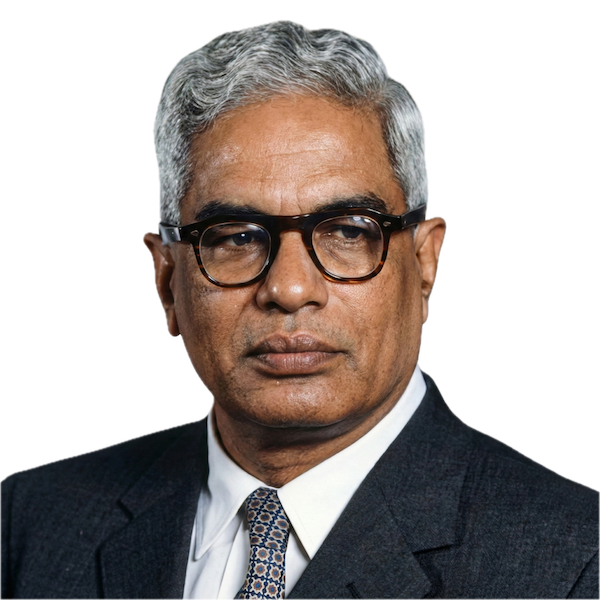
Served as Vice Chancellor of Osmania University. Established the Rangapur Observatory and enhanced science departments.
Served as Director of the Indian Institute of Science (IISc), Bangalore. Instrumental in achieving Deemed University status for the institute.
Appointed as the second Scientific Adviser to the Defence Minister of India, guiding national security policy.
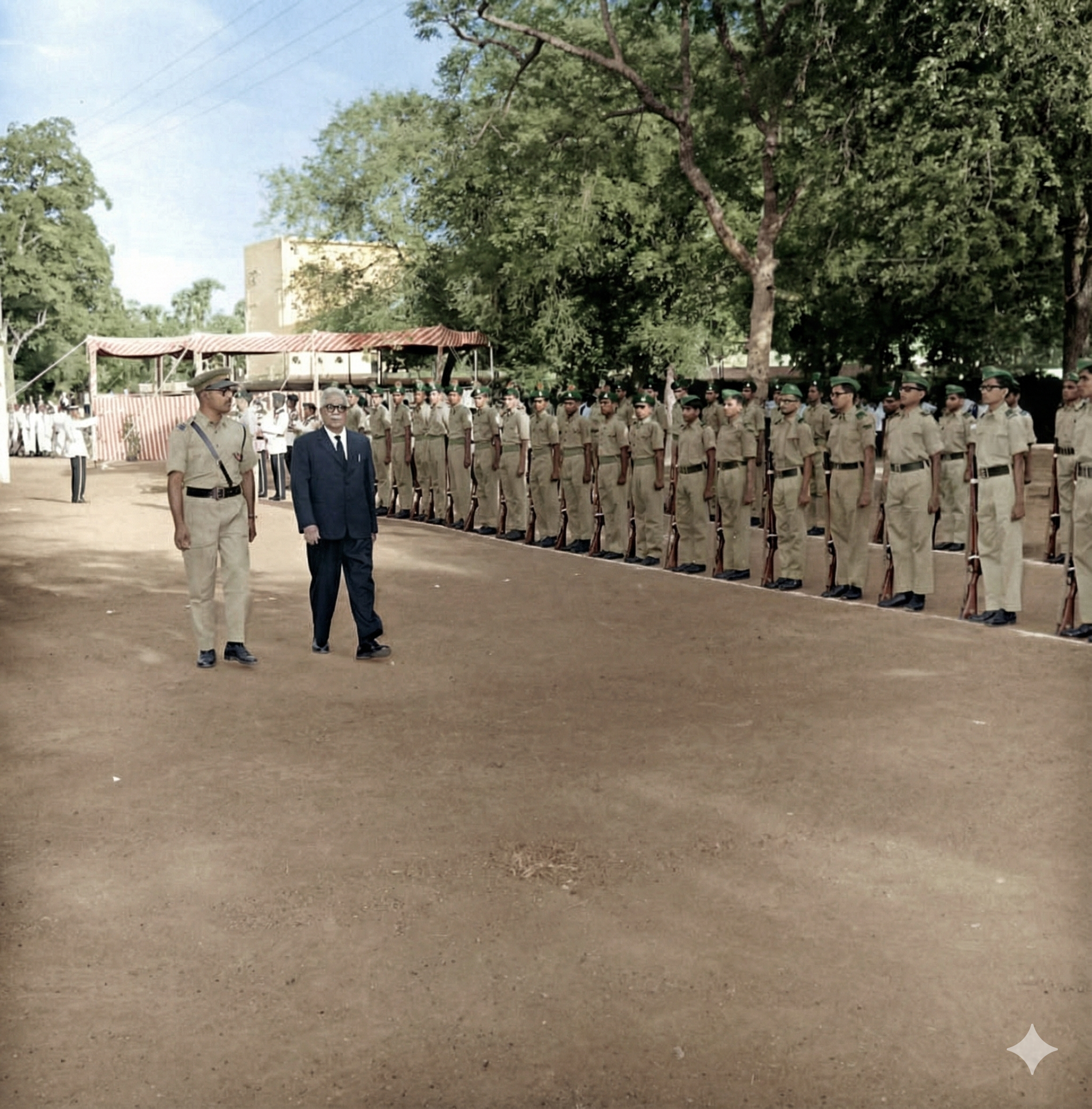
As Director General of DRDO, he is hailed as the 'Architect of Defence Research' in independent India. He established 15 new defence research laboratories and championed self-reliance.
Awarded the prestigious Shanti Swarup Bhatnagar Prize in Physical Sciences.
Retired from government service.
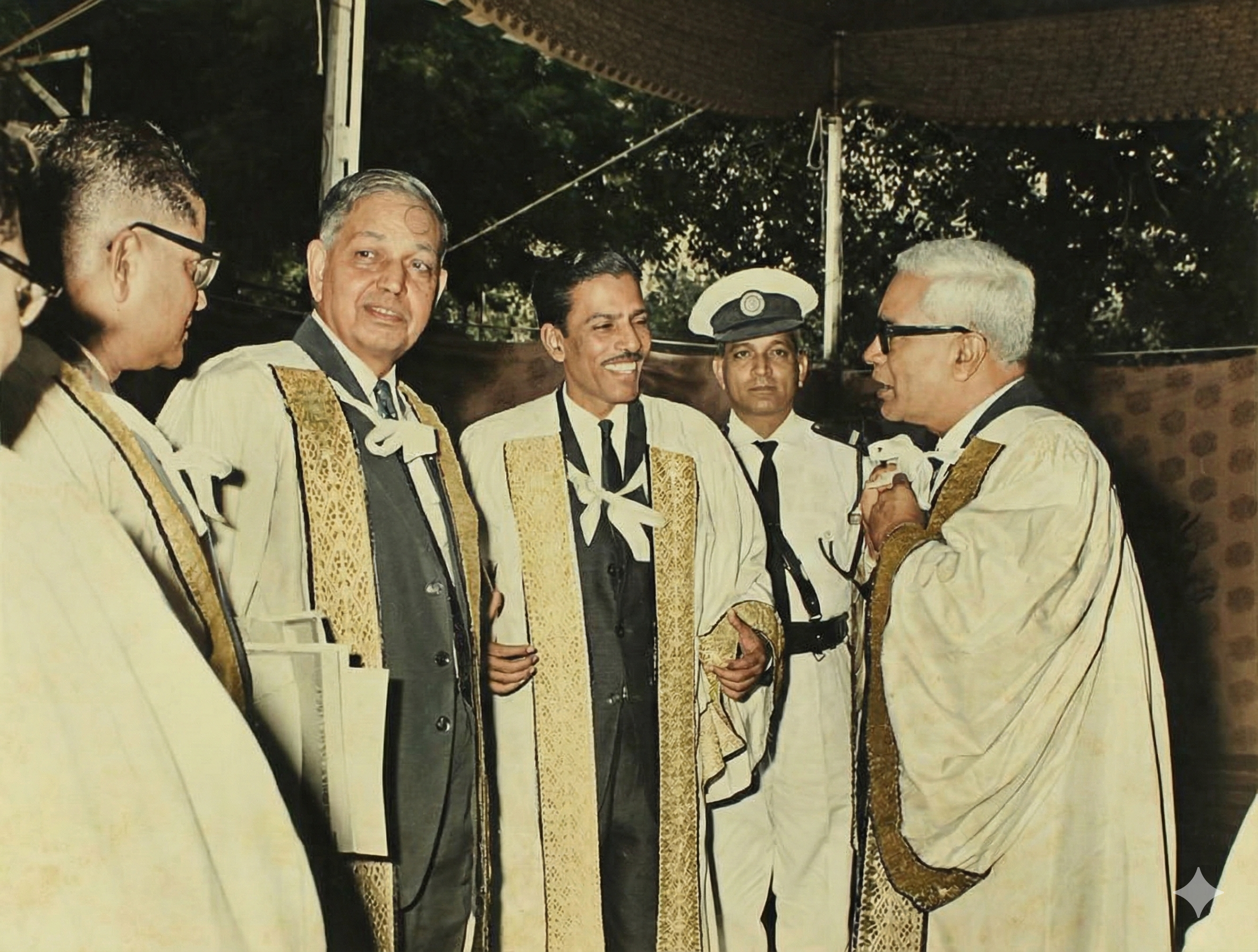
Served as President of the Current Science Association, continuing to guide scientific discourse in India.
Passed away on February 6, 1989, at the age of 79, leaving behind a rich legacy of institutions and students.
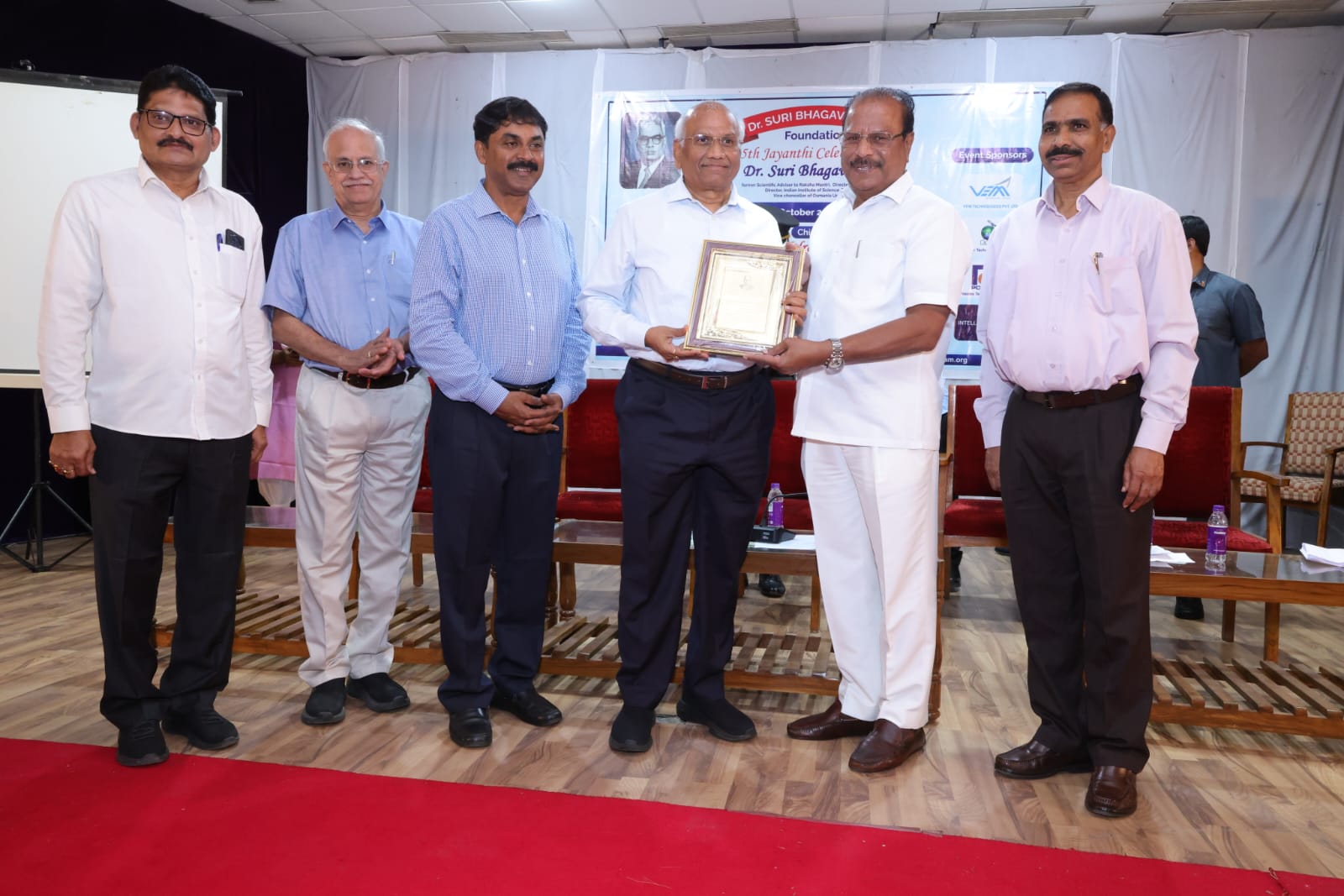
The 'Dr. Suri Bhagavantam Excellence Awards' were presented to recognize outstanding contributions in Information Technology, Healthcare, and Spiritual Wellbeing.
Dr. Suri Bhagavantam's legacy extends far beyond his scientific discoveries. He was a builder of institutions, a mentor to countless scientists, and a visionary who understood that India's future depended on developing its own scientific capabilities. The institutions he led and founded continue to shape India's research landscape today.
"Science is not just about discovery; it is about building the capacity for future discoveries."